Monday, January 10, 2022

What in the world are antioxidants?

Have you ever treated yourself to a delicious cup of tea fortified with antioxidants? How about dark chocolate with antioxidants? Antioxidant water? Antioxidant facial wipes? While there is no problem with treating yourself, there is one if you've been told that antioxidants work. 

Yay or meh? Credit: https://bit.ly/3otXh4u. 

Advertisements will try to tell you that your cells consist of free radicals--highly reactive chemicals that destroy everything in their path and cause you to age. But take a step back and ask yourself: Where are these free radicals coming from? That's actually an age-old question. Approximately 2.7 billion years to be precise. 

Microbes first appeared on Earth 3.8 billion years ago. They made their living using carbon dioxide and hydrogen that was ejected into the atmosphere by volcanic eruptions; a metabolic process that still occurs in the soil, in cows, and in your gut. These ancient bacteria also had plenty of iron floating around in the Earth's seas, which they brought in and used for a range of cellular processes. Consequently, the cells had pools of iron associated with their DNA and protein. Most importantly, there was no oxygen

A billion years later, a group of bacteria figured out how to use sunlight, carbon dioxide, and water to make sugar--a process we call photosynthesis. Unfortunately, the byproduct was oxygen, a reactive chemical that was capable of oxidizing iron. Initially, there was plenty of environmental iron and other minerals that consumed oxygen, keeping its atmospheric levels low for another billion years. Eventually, the abundance of photosynthetic bacteria released more oxygen compared to the amounts that were being lost due to reactions with iron. As a result, present-day levels of oxygen accumulated in the atmosphere. 

Oxygen presented an exciting new opportunity to microbes: they could now use it to respire. The problem was that oxygen also reacted with cellular components and generated reactive oxygen species. One of these species includes hydrogen peroxide, which can be purchased from drug stores to daub on cuts and kill bacteria. Our body's defense system also uses it to spray invading bacteria. Hydrogen peroxide is dangerous because it reacts with the iron inside cells to generate hydroxyl radicals. That's right. Your cells have inherited an ancient dependency on iron, which is why when oxygen enters your cells it generates free radicals, which are extremely reactive and can damage any molecule they encounter, including DNA.

Despite the damage these radicals can inflict, our cells are still alive because we have inherited both the vulnerability to oxygen and defense mechanisms against it from ancient microbes. Our cells deal with oxidative stress by getting rid of the stress and repairing the damage it causes. We have dedicated enzymes that can reduce the concentrations of hydrogen peroxide and other reactive oxygen species to innocuous levels. In other words, our cells are bathed in enzymes, such as catalase, and chemicals, such as glutathione, ascorbate, and vitamin E, that act as antioxidants. Additionally, because hydroxyl radicals are so reactive, their lifetime inside cells is very short. 

So why does the antioxidant industry claim that their products work? No, it's not corporate greed. Or that's not the only reason. Even though green tea and dark chocolate contain antioxidants, it's unclear whether those molecules can find their way from the digestive system into our cells. And even if they do, it's impossible that they can provide further protection in addition to what our cells already do. Catalases react with hydrogen peroxide at a rate that is 1 billion times higher than glutathione or ascorbate. Additionally, detecting oxidative stress inside cells is tricky. The dyes that are typically used in labs to detect oxidative stress can react with other cellular components, muddying the interpretation of experiments that try to understand whether a particular antioxidant can work. Studies that suggest external antioxidants are helpful depend on these dyes. There is no convincing, direct evidence that external antioxidants have any benefits. In fact, in 2012 the USDA removed the antioxidant content of various foods from their websites because of the lack of evidence. They recognized that these incorrect measurements are routinely misused by food and dietary supplement manufacturing companies to promote their products and misguide their consumers. 

Your dog is arguably more beneficial to your health 
than any product that has "antioxidant" slapped on it. 

Your body doesn't need your help to deal with free radicals. They have learnt how to do so from their billion-year-old ancestors. So if you're at the grocery store agonizing about whether you need regular food or those rich in antioxidants, pick the one that tastes better. At the very least, your taste buds will thank you. 


Thursday, February 4, 2021

What in the world is DNA profiling?

On 31st July 1986 Dawn Ashworth left a friend's house and disappeared. Two days later she was found in a nearby field. Although it was clear that she had been raped and strangled, further investigation uncovered something more sinister-- Dawn had died at the hands of a serial killer who had committed a similar murder two and a half years earlier. Under pressure, the police convicted a local boy Richard Buckland, who seemed to know details of the crime, some of which were not made public. The catch? Buckland was innocent, the real killer was Colin Pitchfork. All it took was a blood sample and the police figured out the actual culprit. How did they do it?

There are many intrinsic characteristics that are unique to each of us. While that sounds like its coming from a life coach, there is a fundamental reason why you're unique: your genome. The genome is a collection of all the genetic information you carry in your DNA. DNA stands for deoxyribonucleic acid, which is a fancy way of referring to the string of characters that determine everything about you; your appearance, your personality, potential health disorders, everything is spelt out in your DNA. Therefore, getting a DNA sample is a great way to identify someone. 

File:TransperthDNA 20171219.jpg
Figure 1: A sign on the public transportation system in Perth. A great way to keep the disruptors at bay. Source


Using DNA to identify the killer is a convenient plot line for most contemporary TV detectives. Indeed the technique of using DNA profiling was developed only in 1984 by Sir Alec Jeffreys, a British geneticist who was knighted for this reason. Jefferys had discovered that DNA sequences could be used to precisely identify individuals and determine their family relations. Initially, he used DNA profiling to help children who were denied citizenship because immigration officials did not believe that these children had British parents. When Jefferys went on to propose that DNA profiling could be used to solve crime, he was laughed at. He was vindicated when the local police involved in the Ashworth case approached him to prove that Buckland was the killer. On inspecting the blood and semen samples from the girls, Jefferys determined that they were raped by the same man and Buckland was innocent. A large scale DNA investigation followed this startling discovery. It spanned eight months and involved testing blood samples from 5,511 men and finally implicated Colin Pitchfork.

All humans share 99.9% of their DNA sequences. However, the remaining 0.1% is different enough to make DNA profiling possible. Cells from inside the cheek, known as a buccal sample, body fluids, such as blood, saliva, semen, or tissue samples can all serve as samples for DNA testing. Contrary to what is seen on crime shows, hair is not the best DNA sample. Hair fibers contain dead cells, which contain degraded DNA. Although hair roots contain DNA that can be analyzed, the probability of getting a good sequence is quite low, around 60-70%.

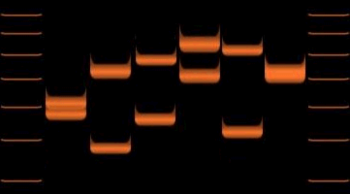
DNA profiling uses parts of the genome that are highly variable. These sequences are known as variable number tandem repeats or VNTRs. These are short sequences that are repeated multiple times and are positioned next to each other, like a string of identical pearls. These sequences are similar in closely related individuals but highly variable in people who are not. Since the pattern of VNTRs in an individual is inheritable, it can also be used for parental identification. An extension of this principle is DNA ancestry where your ancestors can be traced based on the VNTR patterns. Although there are several methods that can be used to detect VNTRs, the underlying principal is the same: sequence the VNTRs and compare the test samples to the reference. In a crime scene, for example, the reference would be the DNA found at the site and the test would be the DNA of the suspect.  

Figure 2: Differing lengths of the VNTRs in 6 different individuals. If the pattern of the reference and test samples are identical, it's a match. The two extreme lanes are DNA ladders that indicate the size of the fragments. Source.

DNA sequencing has helped solve an extensive list of crimes. In August 2018 it was used to finally identify the Golden State Killer. The accused, Joseph DeAngelo, had committed at least 13 murders and more than 50 rapes. DeAngelo was caught because the officials uploaded the DNA profile of the killer. The website GEDmatch, which maps family trees, found 10-20 distant relatives of the Golden State Killer which identified DeAngelo as the main suspect. A sample of his DNA was secretly collected from his garbage can and confirmed his connection to the crime. 

As with all scientific techniques, there are significant drawbacks to DNA profiling. The machines that are used to detect DNA are extremely sensitive and can pick up trace amounts of DNA, which is a problem because most crime scenes can be contaminated with DNA from several sources. Suppose 10 innocent people walked through a room prior to a crime and left small bits of their DNA behind, such as old skin flaking off. They would still be considered suspects. Although DNA evidence is seldom enough to convict someone, there is a rising worry that the mistakes in DNA profiling are overshadowed by how convincing their results are. To that end I'm reminded of a tenet in science: one piece of evidence is like a one legged stool, too shaky; two pieces is like a two legged stool, better but still wobbly; three independent pieces of evidence makes a milk stool, sturdy and reliable. Although DNA profiling alone is not enough, it helps build a stronger case in an investigation.

Tuesday, September 25, 2018

Utah- the land of cowboys and fairy chimneys

A road trip that's called the Grand Circle and promises cliffs, canyons, and mountains, all bathed in a kaleidoscope of colors. Sounds too good to be true? That's Utah. Describing five national parks and one Navajo Reservation in a ten minute read is a bit much. Therefore, this blog is dedicated to Monument Valley and Bryce Canyon National Park.

Monument Valley is immediately recognizable to most moviegoers. Forrest Gump ran through it, the Transformers stomped their way across, and of course the valley was immortalized by the Western movies where cowboys rode off into the sunset. The valley lies within the Navajo Nation Reservation, the largest land area that is retained by a Native American tribe. 

Nothing like a sunset picture to act as clickbait.
Buttes in Monument valley. Buttes are isolated hills that are characterized by steep sides and a flat top. The red color is due to iron oxide (that also causes rust).

Monument Valley was once covered by sandstone, rocks characterized by sand-sized fragments and minerals. The different rock layers, which were deposited several hundred million years ago, were subjected to erosion by wind, water, and varying temperature. The resulting structures show a large variation because the hard rocks eroded more slowly compared to the soft ones.  

This variation is particularly prominent in the buttes that are peppered around the valley. The lower most layer, Organ Rock Shale, forms "erosion skirts". This easily eroded layer was formed from river sediments carried down from the Rocky Mountains. Above this layer is the erosion-resistant de Chelly Sandstone, formed by windblown sand. The sandstone protects the Organ Rock Shale from eroding further. The top most layer and the steep vertical sides of the buttes are covered by a highly resistant conglomerate of coarse-grained sandstone and pebbles. 

                              
Different rock layers in Mitten Buttes.

Travel 440 kilometers north-west of Monument Valley and you will notice that the theme of erosion manifests itself differently in Bryce Canyon National Park. Here, the unique rock formations are carved by a collaboration of water, ice, and gravity. A vast seaway deposited sediments in Bryce Canyon 144 million years ago. The repeated cycles of invasion and withdrawal of this seaway resulted in sediments of varying composition. Continuous erosion for another 20 million years formed shallow, broad basins which contained iron-rich sediments. 

Hoodoos in the basin. What are hoodoos you ask? Read on..

The distinguishing feature of Bryce Canyon is that it has the largest concentration of hoodoos in the world. Also known as fairy chimneys, hoodoos are thin, tall pieces of rock that protrude from an arid basin. Hoodoos consist of soft mudstone or poorly cemented sandstone topped by hardier, less eroded stone such as compact sandstone or limestone. Furthermore, the erosion-resistant hoodoo cap presses downwards giving the base the strength to resist erosion. 

Unlike buttes, which are predominantly carved by wind, hoodoos are sculpted by water and ice. In the summers the slightly acidic rain dissolves the overlying limestone, giving hoodoos their lumpy outlines. The cracks in the resistant layer also allow the underlying soft rock to be washed away. In the winter the melting snow seeps into the cracks and freezes at night slowly making them wider. The result: a totem pole-shaped body of variable thickness. 

How do hoodoo? 

The landscape of Utah is a breathtaking lesson in erosion. The arid backdrop serves as the perfect background to the imposing rock formations that have been steadily created over a hundred million years. I highly recommend heading over if you want to see Nature working its Michelangelo. 

Tuesday, July 24, 2018

What in the world do defibrillators do?

There is chaos in the hospital room. The sound monitors are beeping furiously with lines that resemble Trump's signature. Suddenly the lines go flat. Doctors are yelling out "The patient's heart has stopped! Get me a defib!" A cart is rushed in. Paddles are out. A doctor places the paddles on the patient's chest and screams "CLEAR". The patient's body seem to seize and then relax. The jumpstart works and the monitor lines go back to normal. The beeping stops. Someone remarks "Phew! That was a close one." This scene is staple in every medical drama I have ever watched. Although I cannot attest to whether the situation plays out like this in real life, I am always left wondering- how did the paddles save that person's life?

To understand how those paddles work, it is important to first understand how the heart functions. More specifically- what causes the heart to beat? The contraction of heart muscles are caused due to electrical currents. These currents are propagated across the surface of the heart through its electrical conduction system. The main player of this system is the sinus node, also known as the heart's pacemaker. The cells in the sinus node are unique- they can spontaneously produce electrical impulses. These impulses set the heart rate, which can vary between 60 to 100 beats per minute.

Figure 1: The electrical conduction system of the heart. The signal that is generated by the sinus node travels to the AV node and is disseminated across the heart through the bundle branches, thereby causing contraction of the heart muscles. Source

These electrical signals are produced by the flow of positively charged calcium ions and potassium ions. When the cells are at rest, they maintain a negative voltage. When they are stimulated, calcium ions enter the cell, which reduces the negative charge inside the cell. This decrease causes muscle contraction, after which potassium ions exit the cell restoring the negative charge. It is these electrical signals that are detected by the electrocardiograph machines (the ones that play such a dramatic role in medical TV series).

Dysfunction in the propagation of electrical signals result in a variety of disorders, which are collectively called arrhythmias. Broadly, the disorders can be categorized as heartbeats that are irregular, too fast, or too slow. These abnormalities can remain asymptomatic or manifest themselves in the form of heart palpitations, dizziness, or in extreme cases cardiac arrests. However, there are various methods to treat arrhythmias: medications, inserting artificial pacemakers, surgery, and using controlled electric shocks via defibrillators.

The effect of electricity on the heartbeat was first demonstrated in 1899 by two physiologists, Jean-Louis Prévost and Frédéric Batelli. They had discovered that electrical shocks could change the heartbeat rates in dogs. The external defibrillators that we use today were invented in 1930 by William Kouwenhoven, an American electrical engineer. Sadly, the first demonstration of these machines were also carried out on dogs. However, he also proved that defibrillators worked on humans when he used them during open heart surgery on a 14-year old boy. Furthermore, till the 1950s the only way to use defibrillators was by opening the chest cavity during surgery. 

The portable machines that we now use today are usually automated external defibrillators (AEDs). These devices contain electrode pads that can be placed on the chest of the victim. The added advantage of these machines are that they can automatically diagnose the heart rhythm and decide whether an external electric shock is required. If required, they automatically administer the shock. So when are these machines used? Defibrillation is only used in very specific instances- when the heart has chaotic electrical signals, also known as fibrillation. The electric current therefore shocks the heart into working normally again. However, it is not used when a person's heart stops completely. So the next time you see a TV series use a defibrillator on a patient whose heart's signal is a flatline, feel free to show off your medical knowledge.  

Figure 2: An AED. Note the attached electrode patches. Fun fact: In Australia, portable defibrillators are known as "Packer Whackers" because Kerry Packer, a media mogul, donated a large sum of money to equip every ambulance with one. Source


Thursday, June 28, 2018

Hiking in the Sierra Nevada

I live in central Illinois, which is characterized by low and flat terrain. When I say flat I mean picture standing on a beach and looking at the ocean's horizon except there is no beach, no ocean, and instead you have fields of corn and soy. Therefore, when I was looking for a change of scenery I immediately thought of California. In contrast to the Midwest, California contains rolling hills and mountains; the majority of the Sierra Nevada (meaning snowy saw range) lies in this state. The rock foundations of the Sierra were formed during the Mesozoic era, about 180 million years ago, when dinosaurs were in vogue. At the time, volcanic eruptions led to the deposition of molten rock deep within the earth resulting in the formation of granite, a term that triggers intense nostalgia because I last heard it during sixth grade. What is granite? It is a coarse grained rock that is formed when magma solidifies underground and it is particularly rich in silicon and oxygen. Granite is hard and tough, which is why it has been historically used as a construction stone.

Granite galore: Liberty Cap beside Nevada Falls in Yosemite National Park. 
How high did I hike to take this picture you ask? A cool 4.5 km with an elevation gain of 610 m. 

The impressive granitic structures in the Yosemite are due to two distinct geological phenomena: uplift of the underlying rock bed, and erosion due to glaciers and rivers forming smooth rock faces. About 65 million years ago, the underlying bed of granite that had been deposited during the Mesozoic era started finding its way upwards resulting in the formation of a lowland. This area was further uplifted and tilted to the southwest, which increased the gradient of streams that were flowing towards the valley. These fast flowing streams cut deep canyons into the mountain block. The second agent of erosion, the glaciers, became major players 2-3 million years ago. By then the Sierra Nevada had risen high enough for glaciers to form periodically. Glacial ice moved down and converted the V-shaped canyons, which were moulded by the rivers, to U-shaped valleys.

Vernal Falls. 
See that granite dome in the background? That's Liberty Cap! These falls are a part of the Merced river, which is the primary watercourse flowing through the Yosemite Valley. The Mist Trail, which is next to the river, goes past Vernal Falls to Nevada Falls. As the name suggests, mist from the waterfalls blankets the trail. Not a bad way to wake up when you start a hike at 7 am.

South of Yosemite National park lies another glacier-carved valley which contains the Sequoia and Kings Canyon National Parks. These parks are home to extensive groves, forests, rugged peaks, and swift rivers. In fact, John Muir called Kings Canyon a rival to Yosemite because of it's incredible beauty. The valley has the distinction of being the deepest canyon in the U.S. and has been carved by Kings river whose Middle and South forks begin in the Kings Canyon National Park. The vast majority of this area is roadless wilderness, accessible only by foot or horseback (anyone up for a few months of backpacking?). For the less adventurous visitors, the accessible areas of the park afford breathtaking views of giant sequoias, aptly named Sequoiadendron giganteum. These trees have the distinction of being the world's largest living things by volume. Along with these behemoths, the park is also home to the California redwoodsSequoiadendron sempervirens, close cousins of the giant sequoia trees. Not to be outdone by the sequoias, the redwoods hold the title of the world's tallest trees.  

Wooden skyscraper- a California redwood. 
Due to their giant size, transporting water to the top of these trees becomes extremely difficult. Therefore, the leaves directly take in fog water from the surrounding air and create artificial rain when the fog that collects on the leaves drips to the forest floor. 

Both these gigantic trees also have astoundingly long lifespans. The oldest known redwood is about 2,200 years old. Hence the name "sempervirens" which means everlasting in Latin. The giant sequoias are among the oldest living things on Earth, the oldest tree clocking in at 3,500 years. How do these trees attain such long lifespans when their forests are regularly ravaged by fires? In case of redwoods, their bark is fire resistant and grows to at least a foot thick. Furthermore, even if there is fire damage, the trees can easily sprout new branches or even new buds from the base of a killed parent tree (petition to name them phoenix trees?). Sequoia trees go a step further- they have fire resistant bark and they take advantage of forest fires for seed release. Fire brings hot air into the canopy, which dries the cones and causes them to immediately open and release large quantities of seeds. Furthermore, the fire creates optimal seedbed conditions and the ash acts as a protective cover for the seeds. Forest fires also clear the competing vegetation allowing the seedlings to get sunlight. Therefore, the National Park Service allows for controlled burning of these groves to help these trees prosper. 

Put a ring on it. 
Horizontal cross sections of trees reveal growth rings that are made due to the addition of new cell layers. One ring usually represents a year and also indicates the climatic conditions in which the tree grew; adequate moisture results in wider rings whereas droughts cause narrow rings. 

Although I could only stay at these National Parks for two days, I cannot overstate how incredibly beautiful they are. Yosemite with its imposing granite domes is an exquisite challenge to any hiker or rock climber, not to mention the dizzying number of waterfalls that can be seen driving around the park. Although Sequoia and Kings Canyon National Parks lie just 180 km south of Yosemite, there is a marked difference in scenery. Unlike Yosemite, the canyon walls are a combination of granite and limestone. The steep roads that cut through these ragged cliffs offer a spectacular view of the winding Kings river. The view from the valley is also magnificent: mixed-conifer forests as far as the eye can see. Just one warning: the groves of giant trees will give you the happiest neck sprain you've experienced. 

The hills are alive with the smell of conifers. Seriously though, how beautiful is Kings Canyon? 


Thursday, May 17, 2018

Setting the wheels in motion

A few nights ago, when my city was blessed with a deluge of rain, I had the misfortune of damaging my car wheel by driving over an open pothole. Cursing my luck, I was musing over the idea that if my wheels were made of sturdier stuff, say stone, then maybe I wouldn’t have been stranded, waiting for a tow truck. Of course, stone wheels had their own set of troubles: slower mobility, lack of spokes, and an overall clumsy design. So how did wheels acquire the form that we’re used to seeing, today?

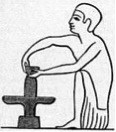
Humans in the Paleolithic era were aware that round objects were easier to transport compared to irregular shapes because they could be easily transported by rolling. For example, heavy objects such as rocks could be easily moved by placing a round object, such as a fallen tree trunk, underneath it and then rolling the rock over it. However, none of these observations resulted in invention of the wheel, which happened much later. Interestingly, unlike most inventions, wheels were not inspired by the natural world. In fact, the earliest use of the wheel did not involve locomotion at all; they were instead invented to make pottery easier. Pottery involved using a coiling technique, wherein long ropes of clay were pinched together to form a vessel. Instead of walking around the pot and adding layers of clay, it was easier to place the pot on a mat and then rotate it while molding its shape. This procedure inspired the invention of the potter’s wheel. The earliest form of the potter’s wheel was invented in the 5th century BC in the Middle East. The wheel was a platter which was turned slowly while coiling a pot. Around 3500 BC a faster wheel was developed based on the flywheel principle: the rotation of the round, heavy stone released energy which could then be utilized to shape pots more quickly. An added advantage included the ability to create thinner walls and create a variety of shapes. The development of the faster wheel also allowed the process of throwing, which involved placing a lump of clay in the center of the wheel and then molding it, thereby providing an advantage over coiling.


Figure 1: The fidget spinner of the Neolithic age. The statue, from 2000 BC, depicts an Egyptian potter with a pottery wheel.

However, extending the principle of a potter’s wheel to create a means of transport took several decades. In fact, archeologists use the development of a wheel and axle as a marker for how advanced a civilization is, as the arrangement allowed for the development of vehicles such as carts and chariots. There are several reasons why this arrangement makes transport easy. Firstly, the wheel reduces the amount of friction encountered, thereby reducing the amount of work involved. For example, moving a bolder would be difficult because of the surface area of the boulder that is in contact with the ground is large. However, if the same boulder is mounted on a wheeled device, the wheels have a much lower surface area, and therefore less friction. Secondly, the wheel and axle combination acts as a force multiplier: if a small amount of force is applied on a large wheel, it can move a large load that is placed on the axle. This is because the mechanical advantage of a wheel and axle system depends on their respective diameters. The wheel which has a larger diameter requires a low amount of force to move. However, since the axle has a smaller diameter, the force transmitted from the wheel gets multiplied, thereby making it easier to transport large objects with a small amount of input. The same is true in a car; when one turns the steering wheel, the force is multiplied by the axle and is used to turn the wheels of the car.

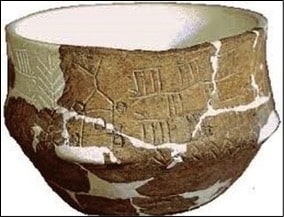
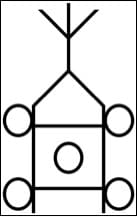
Figure 2: The Bronocice pot (left) and the inscription of a wheel and axle system (right). The image on the pot, which has been dated to the 35th century BC, is the oldest well-dated representation of a four-wheeled vehicle. The vehicle seems to consist of a shaft that is attached to an animal and four wheels that are connected by axles.

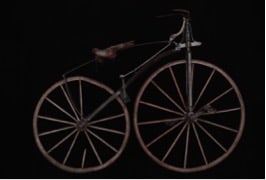
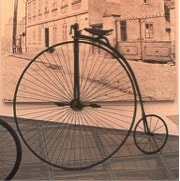
The earliest wheels were made of wooden disks that contained a hole for the axle. These were usually made from horizontal slices of tree trunks. However, these wheels tended to be inferior due to the uneven nature of wood. Driven by a need to use lesser material and build lighter and swifter vehicles, spoked wooden wheels were developed around 2000 BC. These spokes connected the hub of the wheel, which consisted of the axle, to the rim of the wheel. The widely placed spokes were placed radially and helped maintain the shape of the wheel to a large extent. However, the spoked wheels were susceptible to warping if they were subjected to prolonged weight-bearing. Other than the development of iron rims in Celtic chariots around 1000 BC, the design of the spoked wheels remained unchanged until the 1800s. In 1808 George Cayley, an English engineer, invented wire wheels; where the rim of the wheel connected to the hub via wire spokes. This made the spokes stiffer and less susceptible to deformation. Spokes were further improved with the development of tangential spokes, in 1874 by an English inventor, James Starley. Tangential spokes helped create sturdier wheels. Unlike the radial arrangement, where the spokes go straight from the hub to the rim, the tangential placement connected the spokes from the hub to the rim at an angle. This placement allowed the wheel to better withstand the twisting forces during acceleration and braking.

                   
Figure 3: Radial spokes (left) on a bicycle from the 1860s. These bicycles were known as boneshakers because they were exceedingly heavy and were made of a wooden rim that was surrounded by iron tires. These bicycles were then replaced by penny-farthings from the 1870s. The use of tangential spokes made them extremely durable and much lighter.

The final improvement in the wheel design came with the invention of pneumatic tires in 1888 by John Dunlop, a Scottish inventor. These tires were made from an inflated tube of sheet rubber and proved to be superior to the iron tires that were in use at that point. The use of inflated rubber allowed the tires to absorb shocks better and made them more resilient. The same design was later used for the production of car wheels in 1900 and the design has remained virtually unchanged since then.

However, that brings us back to the original question are we doomed to a future of rubber tires which are susceptible to becoming flat, or bursting due to an open pothole on a rainy night? It turns out that the French tire company Michelin has developed the Tweel- a wheel and tire combination that does not use a compressed air bladder and instead uses a rubber tread that is attached to the hub with flexible spokes. Unfortunately, these tires cannot be used at higher speeds due to increased vibration of their components. The journey of the wheel from an innocuous pottery tool to it’s current omnipresent form is a perfect example of the onward march of mankind. What is especially exciting is that although the wheel has been modified for millennia, there is still so much scope for improving what is essentially a perfect design. One can only imagine what the future holds in store.


Figure 4: Tweels- tires of the future? The flexible spokes absorb the shock fulfilling the role of air pressure in pneumatic tires. The outer band deform temporarily with the spokes bend and then they spring back into shape.

This article was originally published with the help of the editors at Club SciWri.

Monday, March 5, 2018

Viruses- the ultimate predators

Viruses are infectious agents that can replicate only when they are inside a living host cell. To this end, they enter the cells and utilize the host cellular processes for their own benefit; conjuring up the image of an unwanted house-guest. Although they look nothing like Figure 1, viruses can be equally disturbing- they can hijack the host metabolic pathways to create new material, remain latent in the host for several generations leading to a chronic infection, and cause cell death. The mechanism of cell death can be quite gruesome: cell lysis, an explosion caused by the breakdown of the the outer covering of cells, and apoptosis where cells essentially commit suicide to save non-infected cells. Viruses are extremely diverse in their genetic make-up, how they replicate, and how they cause infections. Additionally, viruses can quickly accumulate several mutations resulting in viral offspring that are completely different from the parent virus. Therefore, it becomes a Herculean task to design vaccines or treatment procedures that can target viruses. However, not all viruses are evil. There are several studies that demonstrate how viruses can help fend off infections and help us stay healthy. Considering the wide variety of viruses and hosts that they can infect, coupled with the inability of viruses to grow outside a host cell, how were they discovered?

Figure 1: The horrifying house-guest. Although the original artist remains unknown, this drawing is part of a series that describes an unwanted and malicious presence. Source.

As mentioned in a previous blog, vaccination against smallpox, a viral infection, was widespread by the 18th century. However, the causative agent of smallpox remained unknown till the 19th century. The earliest studies of viruses can be traced to Adolf Mayer, a German chemist, who in 1876 was studying an unusual disease that affected tobacco plants, leaving the leaves with a mosaic pattern. In his studies, he had discovered that the sap from an diseased plant could be used to infect a healthy plant. Since he had assumed that bacteria were responsible, he tried to filter them out of the sap. Surprisingly, the filters didn't work and he assumed that the disease was caused by smaller bacteria or toxins. His observations were reproduced in 1892 and 1898 by Dimitri Ivanovsky, a Russian botanist, and Martinus Beijerinck, a Dutch botanist. Although Ivanovsky did not pursue the matter further, Beijerinck believed that he had found a new infectious agent and named it a "soluble living germ". He also reintroduced the name "virus", which was originally coined in 1398 from the Latin name for poison. In 1935, Wendell Meredith Stanley, an American biochemist, discovered that the structure of the tobacco mosaic virus (TMV) was a crystalline protein. His techniques enabled the characterization of other viruses, resulting in the understanding of several diseases such as foot-and-mouth disease, yellow fever, polio, and influenza.

Figure 2: The needle shaped TMV virus that Stanley had observed during his experiments. Stanley later received the Nobel Prize in Chemistry in 1946, along with James Sumner and John Northrop, for their studies on the purification and crystallization of viruses.  Source.

How do viruses multiply in number if they can only do so in living cells? Viruses first attach to the cell surface of the host cells and then enter the host in different ways- some inject their genetic material into the cell, while others can be taken up whole by the cell. In the latter case, the viruses are stripped of their protein coat and their genetic material is released into the cell. The virus can now use the host cell machinery to drive the production of viral proteins, which are then assembled to make complete viruses. These are then released either by rupturing the cell or by budding off from the cell membrane. In the case of bacteriophages, viruses that infect bacteria, they can either destroy the host cell by rupturing the membrane and releasing the viral particles, or they can integrate their genetic material with that of the hosts' thereby allowing the bacteria to live and reproduce normally. In the second case, each time the bacteria replicate, a copy of the viral genetic material is transferred to the daughter cells. 

Figure 3: An example of the diversity in viral form and replication. The Ebolavirus has a single strand of RNA that serves as a genetic template. The virus is taken up whole, the viral genetic material serves as a template in the cell cytoplasm for new virus assembly, and the new viruses escape the cell by budding off the cell membrane. In contrast, the Herpes virus has double-stranded DNA that it uses as a template. The virus uses a different mode of entry- it fuses with the cell membrane and then injects its genetic material into the host nucleus instead of replicating in the cytoplasm. The new formed viruses also have a different means of release- by exocytosis instead of budding. Source.

The outcome of a viral infection depends on whether the host has encountered the virus previously, which host cells are targeted, and how strong the host immune system is. As mentioned in my previous blog, vaccines such as MMR and flu shots can help expose the host to the virus in a controlled manner. Therefore, if the host is subsequently exposed to infectious doses of the virus, it can mount a stronger immune response. Interestingly, some viruses, such as the influenza virus, can undergo mutations at a faster rate in order to evade the immune system. This is why new versions of the flu shot are developed twice a year. Different viruses target different host cells: influenza virus infects the respiratory tract, hepatitis viruses attack the liver, poliovirus destroys motor neurons in the central nervous system. When viruses target these cells, the body mounts several defensive strategies which include fever, rash, and inflammation. Furthermore, due to the nature of virus replication, they can damage the host cells leading to devastating consequences. For example, infection by HIV destroys several types of immune cells, and when these cell numbers fall below a critical level, the individual becomes susceptible to a wide range of infections.

Although viruses can be deadly, not all viruses are bad. There is a growing body of evidence that suggests that viruses play a crucial role in maintaining the gut flora. For example, bacteriophages line the mucous membrane in the guts of several hosts, forming the first line of defense against invading bacteria that use the mucous membranes as a point of entry. The hepatitis G virus neither benefits nor harms healthy humans. However, the same virus in HIV-positive patients slows the progression of the disease by several mechanisms including the reduction of HIV replication. The human gut is rich in viruses and bacteriophages, the identities and functions of many are still being discovered. However, their presence implies that they confer a benefit to their hosts. Amazingly, our genetic material contains 8% of viral genetic material, the incorporation of which has taken millions of years. Although the biological significance of most of these viral sequences are unknown, studies have shown that at least some of them encode proteins that are essential for placental development

Figure 4: "Artists' Painpots" of Yellowstone National Park. Very few plants are able to withstand the temperatures of these geothermal soils. However, the tropical panic grass which requires a symbiotic relationship between the plant, a fungus, and a virus, can grow in these soils that routinely see temperatures above 50 °C. Source.

Given the diversity in viral structure and genetic material the question arises-how did viruses come to be? Tracing their origins is difficult for several reasons- viruses don't form fossils, they can insert their own genes into the organism they're invading thus making it difficult to untangle the host genes from the viral ones, and they can infect all organisms. However, there are several hypotheses, though none of them can satisfactorily explain the origin of all viruses. The first hypothesis, known as the progressive hypothesis, is that viruses could have originated from mobile genetic elements. These elements could have utilized some structural proteins to envelop themselves thereby allowing them to move from one cell to another. The second hypothesis, the regressive hypothesis, states the opposite- viruses were initially complex and gradually lost their genetic information, resulting in formation of a parasite that contained the bare minimum information required to cause an infection. The third hypothesis, also known as the virus-first hypothesis, states that viruses existed before cellular life, they were the first replicating entities and gradually became more complex to give rise to life as we know it. 


Wednesday, December 13, 2017

GM foods- panacea or poison?

Genetically modified foods, also known as GM foods, are foods that are produced by organisms whose genetic material have been refashioned through genetic engineering. This process entails introducing new traits, that are an improvement over the parents, by means that do not happen naturally. The first commercial sale of GM food occurred in 1994 with the Flavr Savr tomato; the ripening process of the tomato was slowed down without compromising on flavor and color thereby allowing a longer shelf life. However, humans have been modifying plants for centuries to increase production, geographic range, palatability, and several other characteristics. What are the benefits of selective breeding, which has been used historically, vs genetic engineering? What are the problems, if any, that are associated with manipulating genes for our benefit? 

The earliest records of plant domestication date back to 11,050 BC in Syria, where grains of rye with domesticated traits have been found. However, this event seems to be due to cultivation of wild rye rather than a conscious effort towards domestication. The bottle gourd seems to be one of the earliest domesticated plants; by 10,000 BC the domesticated version of this plant was used not only as food, but also as a container. Several crops such as peas and wheat were domesticated with the intention of increasing the size of the seeds and grains. This process, also known as selective breeding, allowed humans to improve the offspring by selecting desirable traits, and was an antecedent to the modern definition of genetic modification. This process lead to the development of crops that are now unrecognizable from the parent plant.

Figure 1: Although it is unclear when wild mustard was first domesticated, the selection of different traits gave rise to several morphologically distinct plants: kale was created by making the leaves bigger, selection of a thicker stalk made kohlrabi, selecting for flower clusters made cauliflowers, broccoli and cabbage were made from kale predecessors by selecting for large flower clusters and large terminal buds respectively. Source.

The process of selective breeding was vastly improved in the 1970s when it became possible to manipulate the genetic material of crops using tools that would only change the DNA of interest. The tools of genetic engineering included restriction enzymes, that could cut DNA in specific places, and DNA ligases, that could join broken pieces of DNA. Together, these tools are still used today to "cut and paste" DNA sequences from multiple sources resulting in the formation of recombinant DNA. This manipulated DNA can then be introduced into a an organism by several methods. In plants, those methods include using gene guns, electroporation, and microinjection, which involved shooting the DNA into the plant cells, using electric pulses to introduce the DNA, and directly injecting the cell with DNA. Another common technique that is used to introduce genes into plants includes  Agrobacterium tumefaciens-mediated transformation. Agrobacterium tumefaciens is a common plant parasite which inserts its genes into the plant host as a part of its infection cycle; this phenomenon is thus used to introduce desirable foreign genes into plants.

The first genetically modified plant, an antibiotic resistant tobacco plant, was produced in 1983. Why create such a plant? The process of introducing a gene into another organism is complicated and is associated with a high risk of failure. There is no guarantee that the gene of interest has been correctly incorporated into the host. Therefore, additional marker genes are used. These genes usually code for antibiotic resistance or herbicide tolerance. This allows for the screening of plants to identify the ones which have successfully integrated the new DNA; the plants which have the new DNA can withstand treatment with antibiotics or herbicides, whereas the plants which do not perish when treated with the same. However, incorporating such genes can have other adverse effects which have been discussed below. As previously mentioned, the Flavr Savr tomato was the first genetically modified food; it was developed by introducing an antisense gene that helped in delaying the ripening process.


Figure 2: The mechanism of the antisense gene used in Flavr Savr. In regular tomatoes, the sense mRNA encodes a message that leads to the production of the protein polygalacturonase (PG). This protein leads to the softening of the tomato, thus making it more susceptible to fungal infections, However, in the Flavr Savr tomato, the synthetic gene that has been introduced codes for antisense mRNA; this in turn pairs with the sense mRNA, thereby inactivating it and preventing the formation of PG. This leads to longer shelf lives. Source.

Following this, there were several GM crops that were developed including canola which had a modified oil composition, virus-resistant squash, and the Bt crops: Bt cotton, Bt maize, and Bt potato. These Bt crops were all developed in 1995-1996 and became popular because they reduced the need to use chemical pesticides.  The crops contained genes from the organism Bacillus thuringiensis or Bt, which produces crystal proteins that are insecticidal. The mechanism of death is quite gruesome- when ingested by certain insects, the protein crystals dissolve in the insect gut, and paralyze the digestive tract. This causes the insects to stop eating and they die of starvation. In 2000, golden rice was created in order to supplement the diets of Asian countries with vitamin A the deficiency of which kills around 670,000 children under the age of five each year. The modified rice was improved in 2005 to produce 23 times more beta-carotene, the precursor of vitamin A, compared to the original golden rice. Currently, about 28 countries produce GM foods, with the U.S. being the leading producer- cotton, soybeans, and corn are the major GM crops that are grown.

GM animals

Humans have had a long history of genetically manipulating animals through domestication. Dogs were domesticated atleast 15,000 years ago as companions. Sheep, goats, and cattle were domesticated for their meat, while horses, oxen, and camel were used to transport goods, and silkworms and honey  bees for the commercial value of silk and honey. The process of domestication also involved selective breeding which allowed for the selection of favorable characteristics; dogs were selected for their behavior, sheep for their long, lustrous wool and so on leading to the development of traits that made the domesticated animals completely distinct from their wild counterparts.

The process of genetically modifying animals using genetic engineering has only recently shown results; very few of these animals can actually be used as food. In 2002, researchers at Caltech created glow-in-the-dark mice by using a jellyfish gene that coded for green fluorescence. The gene was introduced into the mice though a virus that infected the mouse embryos and transferred the gene into the DNA of the embryos. Following this experiment, other animals were also used to express similar fluorescence proteins. In the same year, researchers successfully designed a protocol to enable mammalian cells to secrete the protein filaments that constitute spider silk. The resulting silk is not only flexible and lightweight, but also possesses higher strength and toughness. This idea was inspired by the fact that spiders are highly territorial and setting up spider farms was therefore difficult because they would end up killing each other. Armed with genetic engineering, scientists were able to introduce the genes required for synthesizing spider silk into goats so that the goats would secrete the silk proteins into their milk, thus making it easier to harvest. Pigs have also been genetically modified to produce either super muscly pigs or tiny pet "micropigs". In 2015, AquAdvantage salmon became the first GM animal to be approved for food use. This salmon has accelerated growth rates and can breed all year round instead of only during spring and summer. Currently, researchers are working to use genetic engineering as a tool to reduce global warming- by producing cows that are less flatulent and therefore have lower emissions of methane, a potent greenhouse gas.

Figure 3: Mice that have been genetically engineered to glow in the dark; the central mouse is the wild-type aka the unmodified control. P.S. Googling glow-in-the-dark animals is an amusing pastime. Source.

Why the fear?

The oldest argument, of course, is that the science is not well understood or regulated. Besides, there are several other concerns over the consumption of GM crops- they cause cancer, the long term effects remain unknown, they are "Frankenfood" and are unnatural, they contaminate the environment and increase herbicide use, and that they do not increase food yields and are detrimental to the effort of feeding hungry nations. Although some of these concerns are valid, the majority of them are completely misplaced beliefs. Genetic modification has been a crucial tool for understanding how biological systems work. Without this technique, it would be impossible to synthesize products such as vitamin B2, alcohol, mono-sodium glutamate (MSG), on an industrial scale. Each of these processes are dependent on micro-organisms that have been modified to pump out vast quantities of these products. Therefore it is untrue that manipulating DNA leads to the formation of Frankenfood, for example introducing anti-freeze  genes from Arctic fish into tomatoes does not lead to the production of tomatoes with fish tails. DNA is simply a language and can be manipulated to encode the required message without leading to aberrant results.

Many of the GM crops have been synthesized to be resistant to pesticides- a useful trait that should lead to the elimination of weeds without compromising the GM crops. However, the potential problem that can arise is that spraying the weeds with higher doses of pesticides will eventually lead to the formation of resistant weeds thereby rendering them immune to the effects of pesticides. In order to counter this problem, the EPA and the WHO investigate, monitor, and regulate the use of pesticides. To do so, a multi-pronged approach is used: the pesticides are evaluated every 15 years to ensure their safety on humans, farmers are warned against using higher pesticide doses, non-chemical pesticides are being investigated, and synthetic pesticides are being developed that are highly specific against a particular target pest.

It is true that the long term effects of these foods on humans are unknown- it is unethical to experiment on humans and understand what changes are caused by these foods. However, such long term studies have been done on rats, which have been shown by the scientific community to be acceptable models for humans. The studies on rats indicate that these foods do not cause an increased incidence of cancer, and do not affect the health or vitality of the animals in any way. Furthermore, they also do not effect the future generations, another concern voiced by the anti-GM advocates. Another cause for concern is that the use of GM foods make us more vulnerable to allergens. There are a few arguments that anti-GM advocates conventionally use. First, they believe that GM crops may produce new allergens. As described above, the only way to create GM crops is to purposefully manipulate genes. This means that there needs to be malicious intent to introduce genes encoding allergens. Second, the protein crystals in Bt corn can cause allergic reactions. This is again untrue because the proteins are expressed mostly in the leaves and not in the cobs. This means that the levels of these proteins that are consumed are insufficient to cause an allergic reaction.

The current scientific consensus is that GM foods are no more dangerous than conventional foods. There are several regulatory agencies in countries across the world that constantly monitor the effects of GM crops on the environment and human health. It is unfair to completely dismiss a new technology based on unfounded fears of the unknown. Although it is impossible to completely eliminate all the risks associated with GM crops, the benefits of these crops far outweigh any potential risks.